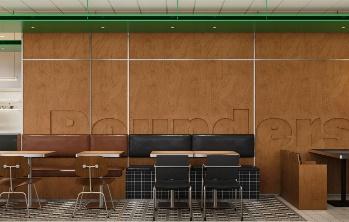
The dining world is changing faster than ever. Technology is reshaping how we discover, book, and even experience restaurants. From QR-code menus to AI-powered reservations, innovation is everywhere. Yet amid this wave of change, one truth remains timeless: hospitality is about warmth. The future of dining, then, will not be defined by choosing between innovation and tradition—it will be about blending both seamlessly.
Innovation at the Table
Modern dining has embraced technology in ways that were unthinkable just a decade ago. Reservations are no longer made by phone calls but through apps that remember your favorite table. Menus can be digital, updated in real time to reflect seasonal ingredients. Even kitchens are adopting advanced tools—precision cookers, AI systems that monitor consistency, and data-driven inventory tracking to reduce waste.
Innovation brings efficiency. It streamlines processes, reduces friction, and allows restaurants to operate more sustainably. But left unchecked, it risks stripping away the human connection that makes dining meaningful. No one dreams of a future where dinner feels like ordering from a vending machine.
That’s why the next era of dining must combine the best of both worlds: the convenience of technology with the timeless warmth of hospitality.
The Role of Human Connection
At its heart, dining is not just about eating—it’s about sharing. It’s about the conversations across the table, the celebrations, the laughter. Technology can enhance these moments, but it cannot replace them.
A digital app may remember your order history, but it’s the host who remembers your anniversary and offers a warm congratulations. A QR-code menu may speed up ordering, but it’s the server who explains the chef’s inspiration behind a dish, turning it into a story rather than just a list of ingredients.
The future of dining belongs to restaurants that understand this balance. Guests don’t want sterile efficiency. They want to feel both cared for and impressed.
Personalized Hospitality in a Digital Age
One of the greatest opportunities technology brings to dining is personalization. Imagine walking into a restaurant where the staff already know your favorite wine, dietary preferences, or preferred pace of dining—all stored through a seamless digital profile. This allows restaurants to tailor the experience without you ever needing to repeat yourself.
But here’s the key: personalization only works when paired with genuine warmth. If it feels robotic or overly automated, it loses its charm. Guests want to be recognized, not processed.
In the future, the most successful dining experiences will merge data with empathy. Technology can provide the information, but it takes human hospitality to turn that information into care.
Innovation in Atmosphere
Hospitality doesn’t stop at service—it extends to atmosphere. The future of dining will likely see innovations that make spaces more adaptive. Imagine lighting that adjusts based on the time of day and the mood of the room, or acoustics designed to keep conversations intimate without overwhelming background noise.
Some restaurants are already experimenting with immersive design—projected visuals on the walls, curated soundscapes, even scents that complement dishes. While these ideas may sound futuristic, their goal is timeless: to make guests feel immersed, welcomed, and delighted.
The technology is the tool. The feeling it creates is hospitality.
Sustainability as Hospitality
Another essential part of dining’s future will be sustainability. Guests increasingly value restaurants that care about the planet as much as their plates. Innovation in sourcing, energy efficiency, and waste reduction isn’t just good practice—it’s a form of hospitality.
Why? Because sustainability communicates respect. It shows that the restaurant cares not only for the guests at the table but for the broader community and generations to come.
The restaurants that succeed in the future will be those that combine luxury with responsibility—serving exquisite food in a way that leaves a positive footprint.
A Hybrid Model of Experiences
The rise of food delivery platforms and virtual dining experiences is also reshaping hospitality. Some diners want to enjoy fine dining at home, while others seek immersive in-person experiences. The future of dining may not force a choice but instead offer both.
Imagine ordering a meal from your favorite restaurant with a virtual sommelier guiding you through wine pairings via video. Or consider hybrid spaces that serve as both restaurants and culinary theaters, blending physical and digital experiences.
Yet even in these models, hospitality remains the anchor. Whether in person or online, guests crave connection. The challenge—and opportunity—for restaurants will be to deliver warmth across every platform.
The Future Is Human
For all the technology and innovation, the essence of dining remains beautifully human. People don’t go to restaurants only to eat—they go to feel welcomed, to celebrate, to escape, to connect. Technology can amplify this, but it cannot replace it.
The future of dining belongs to those who see hospitality not as something separate from innovation, but as the very heart of it. The table may become smarter, the kitchen more efficient, the menus more dynamic—but the soul of dining will always be the warmth of human connection.
Conclusion
The dining experience of tomorrow will not be defined by gadgets or gimmicks. It will be defined by balance: the precision of innovation with the sincerity of hospitality.
Restaurants that thrive in the future will be those that embrace progress without losing heart. They’ll use technology to enhance—not replace—the feeling of care, attention, and belonging.
Because when the last plate is cleared and the final toast made, guests won’t remember the QR code they scanned. They’ll remember the smile, the warmth, and the hospitality that made the evening extraordinary.