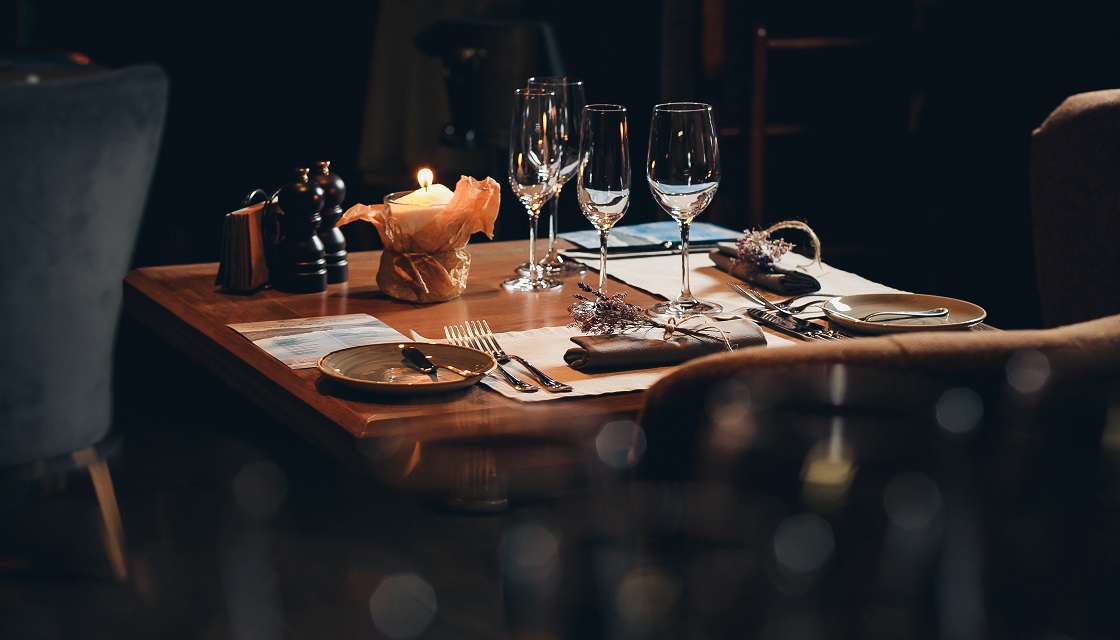
In the culinary world, much is said about rare ingredients. Chefs chase after truffles from Alba, saffron from Kashmir, or the freshest bluefin tuna from Tokyo’s markets. These ingredients certainly elevate a dish, but ask any seasoned diner what made their evening unforgettable, and you’ll rarely hear just about what was on the plate. More often, they’ll talk about how they were treated, how they felt, and the invisible ingredient that transformed their evening: hospitality.
Beyond the Plate
Fine dining often dazzles with artistry. Plates arrive at the table like miniature works of art, each element carefully placed. But the truth is, even the most flawless plate can feel incomplete without the right environment. A guest doesn’t experience food in isolation—they experience it alongside service, atmosphere, and emotion.
That’s where hospitality steps in. It’s the seasoning that can’t be measured or bought, the detail that turns a dinner into a memory. Without it, fine dining risks becoming mechanical: impressive, yes, but cold and forgettable.
Service vs. Hospitality
It’s worth distinguishing service from hospitality. Service is the technical execution—serving wine correctly, presenting a dish with precision, refilling glasses on time. Hospitality, however, is deeper. It’s the why behind the service, the intention to make someone feel valued.
As restaurateur Danny Meyer once put it, “Service is what you do for someone. Hospitality is how you make them feel.” A server can perform every task perfectly but leave a guest untouched if the heart is missing. Conversely, even a small imperfection can be forgiven if hospitality shines through.
Fine dining thrives when service and hospitality work hand in hand: the technical paired with the emotional.
The Unseen Ingredient
Hospitality is invisible, but guests feel it immediately. It’s in the warm welcome at the door, the way a menu is introduced with excitement rather than routine, and the attentiveness that anticipates needs before they’re spoken.
Imagine two experiences. In one, you’re greeted with indifference, rushed through the courses, and left waiting for the check. In the other, you’re welcomed as if you’re the most important guest of the evening, your pace is respected, and the staff remember you by name. Both meals may feature identical dishes, but only one will live in your memory.
Hospitality, then, is the invisible ingredient that makes fine dining complete.
Personalization as a Luxury
In today’s dining culture, personalization is the new luxury. Anyone can source fine ingredients, but not every restaurant can create the feeling that a meal was designed just for you.
This could be as simple as recalling a guest’s favorite wine from a previous visit, or surprising them with a dish that matches their dietary needs without fuss. It could mean adjusting service for a couple celebrating an anniversary—slowing down the meal, dimming the lights, adding a celebratory dessert.
Personalization communicates care. It tells the guest: We see you. We value you. And that, more than caviar or champagne, is the true indulgence of fine dining.
The Emotional Resonance of Hospitality
Fine dining is not just about flavor—it’s about creating emotional resonance. Guests don’t walk away remembering every ingredient of a dish, but they remember how the experience made them feel.
Hospitality ensures that feeling is one of warmth, belonging, and delight. It turns dining into a story worth telling. Ask someone about a remarkable restaurant, and they’ll often share anecdotes not about the food, but about the human touches: “The chef came to the table to ask how we liked the dish,” or “They noticed it was raining outside and offered to call us a cab.”
These gestures are hospitality in action. They may not be listed on the menu, but they become the most cherished part of the meal.
Hospitality as a Differentiator
In an era where great food is increasingly accessible—through travel, pop-ups, and even delivery—the differentiator for fine dining is hospitality. Guests don’t just want to eat well; they want to feel well.
The best restaurants know this. They invest as much in people as they do in ingredients. Staff are trained not only in technique but in empathy, attentiveness, and intuition. Hospitality is not an afterthought—it’s a core ingredient.
Hospitality Endures When Flavor Fades
Even the most perfect flavors are fleeting. A soufflé rises and collapses. A glass of vintage wine empties. But the feeling of being cherished lasts. That’s why hospitality is the secret ingredient: it ensures the memory endures long after the last bite.
It’s the difference between a one-time visit and a lifelong loyalty. Guests may come for the menu, but they return for the way they were treated.
Conclusion
Fine dining is often defined by artistry, precision, and rare ingredients. But the real magic doesn’t come from truffles or gold leaf. It comes from hospitality—the invisible, unmeasurable ingredient that makes guests feel cared for, valued, and remembered.
Hospitality doesn’t replace flavor; it elevates it. It transforms a great meal into an extraordinary memory. And in the end, that’s the true secret ingredient of fine dining: the human touch that lingers long after the plate is cleared.